News
Page 3 of 3
-
Is it cheaper to mix your own concrete or buy ready mix? A comparative analysis
IN BRIEF Ready-mix concrete is generally more expensive initially. For medium to large projects, ready-mix is often more cost-effective. DIY mixing offers flexibility for smaller projects or unique mix designs. Bagged concrete costs about $180 per cubic yard compared to $80 for ready-mix delivered. Consider labor, equipment, and waste when assessing costs. Quality of ready-mix
-
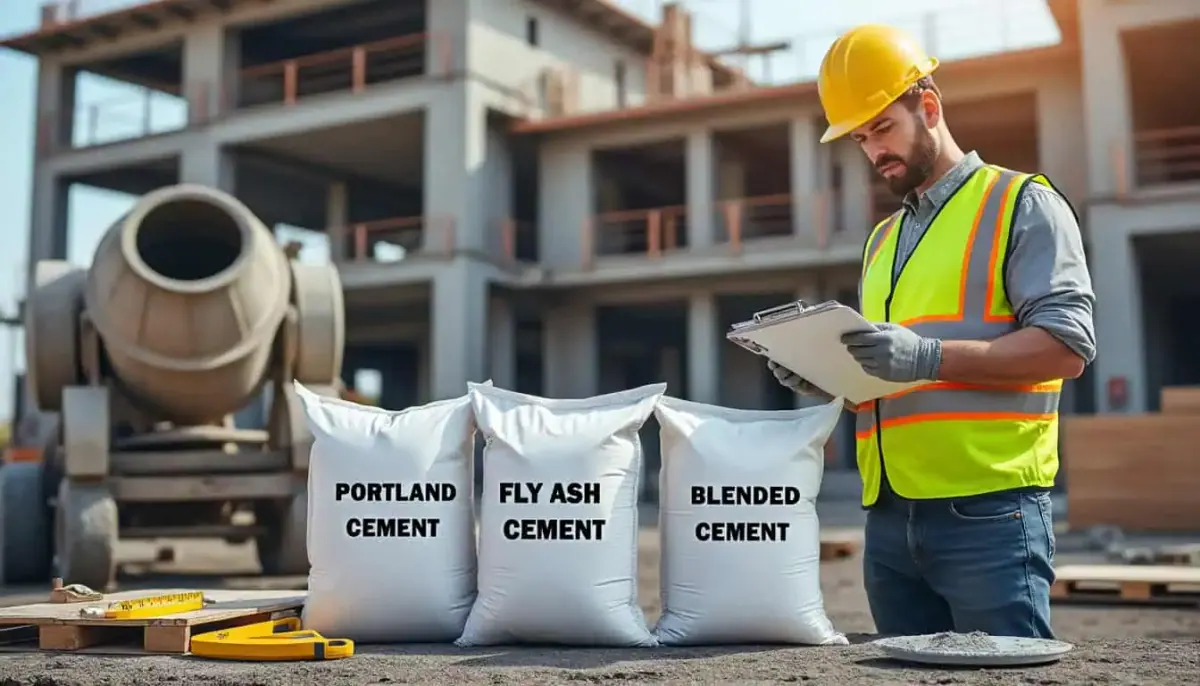
What type of cement is suitable for ready mix concrete?
IN BRIEF Portland Cement is the most common type used in ready mix concrete. Cement Mix Ratio: Typically 1 Part Portland Cement, 1 ½ Part Gravel, 1 Part Sand. C15 Concrete is suitable for house floors without metal. C25 Concrete is ideal for domestic slab foundations. Standard Grade Concrete offers strength and affordability. Varieties include
-
Who owns ready mix usa? A deep dive into the company’s ownership
IN BRIEF Ready Mix USA was established in 1995. Acquired by CEMEX in 2021. Previously a joint venture with CEMEX and Ready Mix USA. The company operates the Demopolis cement plant in Alabama. Founded by Paul Bryant Jr., representing the legacy of Bear Bryant. The business has a production capacity of 0.9 million tons annually.
-
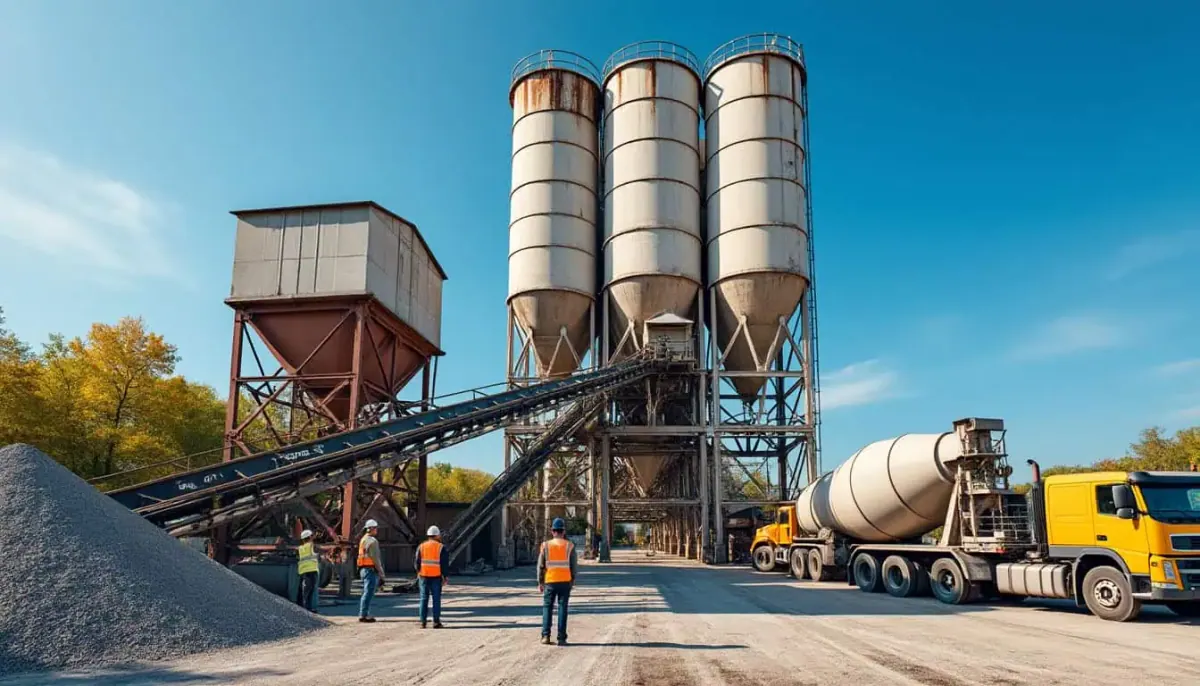
What is a ready mix concrete plant?
IN BRIEF Ready-mix concrete (RMC) is produced in a batch plant tailored to specific job requirements. A concrete batch plant combines all ingredients, except water, which is added on-site. Precise measurements of cement, aggregates, and water are essential for quality RMC. RMC is delivered mixed and ready to reduce labor and time on construction sites.
-
How long can ready mix concrete be stored before it expires?
IN BRIEF Ready mix concrete does not have a strict expiration date. Storage conditions significantly affect its usability. Keep mix dried to maintain quality. A sealed container can extend the life of concrete mix. Typically, unopened bags can last several months. Once opened, use the mix promptly to avoid deterioration. Monitor for signs of hardening
-
Concrete: Understanding its properties and applications
Summary Concrete is a composite material made of cement, water, and aggregates. Renowned for its strength and ability to withstand heavy loads. Key properties include durability, workability, permeability, and shrinkage. Used across various construction projects, from bridges to skyscrapers. Understanding composition is vital for selecting the right type of concrete. Applications range from sidewalks to
-
Exploring the Variety of Concrete Mixes
Summary Self-Consolidating Concrete: Fluid mix that reduces construction time. Pervious Concrete: Allows water to pass through for better runoff management. Gunnite Concrete: Pneumatically applied for smooth surfaces, ideal for pools. High-Strength Concrete: Suitable for structural applications requiring durability. Flexural Strength Concrete: Resistant to bending forces. High Early Concrete: Quick setting; requires experienced handling. Lightweight Concrete:
-
types of concrete
summary Concrete is a historically significant building material used by ancient civilizations. Today, there are numerous types of concrete suited for various applications. The choice of concrete depends on specific project needs. The most common type is Portland cement, essential for concrete mixtures. Types include Normal Strength Concrete, Reinforced Concrete, and Lightweight Concrete. Other variations